
Close

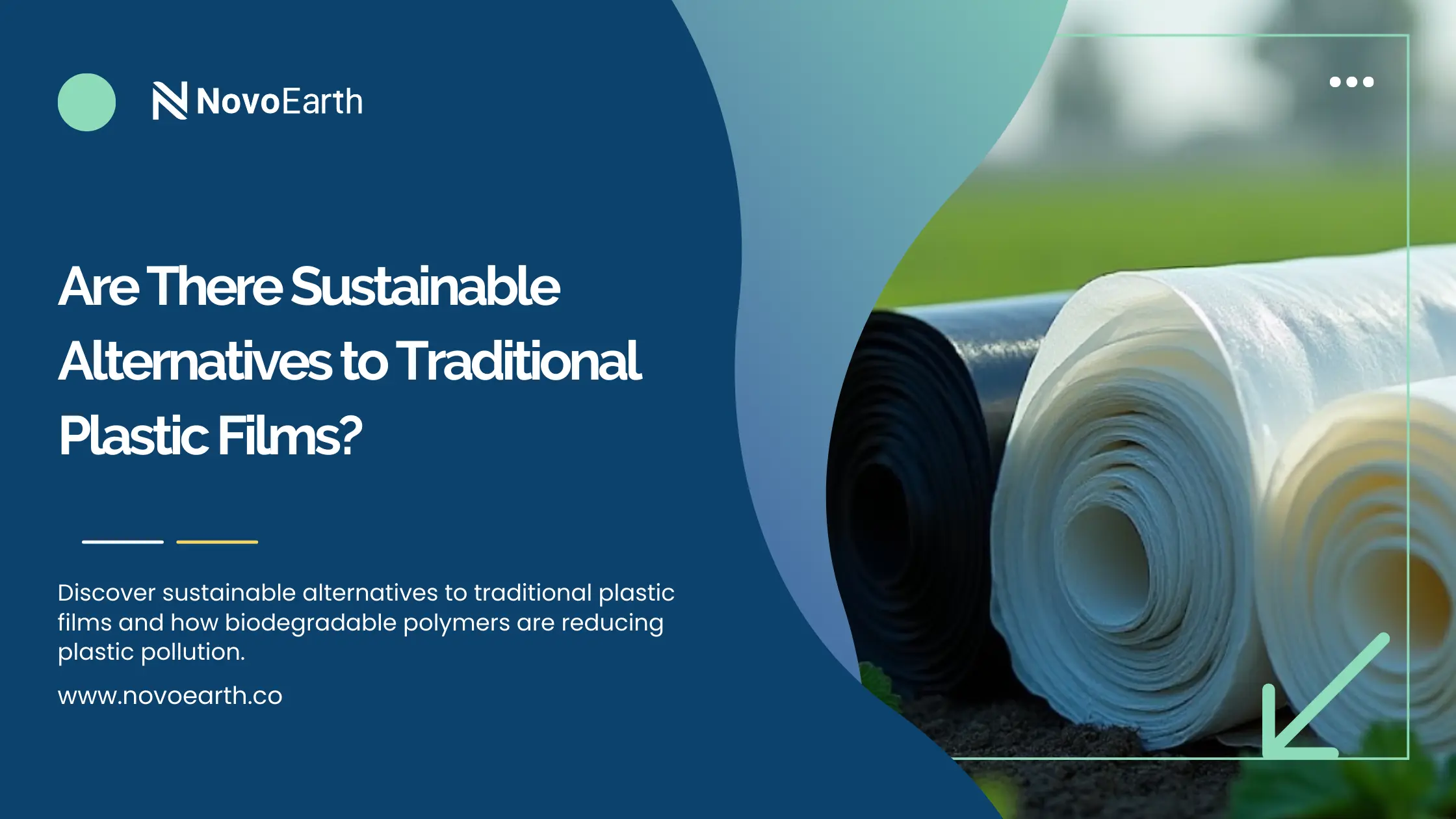
If you are a manufacturer, sustainability professional, packaging engineer, or environmentally conscious business owner, you have likely asked one important question: Are there better alternatives to plastic films?
Traditional plastic films made from petroleum-based polymers are used everywhere — from industrial packaging to consumer goods. However, these materials take hundreds of years to degrade and are one of the biggest contributors to microplastic pollution.
This is where biodegradable polymers come into the picture. They offer a sustainable alternative that can break down naturally under specific conditions while maintaining functional performance similar to traditional plastics.
In this article, we will explore how biodegradable polymers are transforming plastic films, the materials used, and why industries are rapidly shifting toward sustainable polymer solutions.
Traditional plastic films are typically made from polymers like polyethylene (PE), polypropylene (PP), and PVC.
While these materials are lightweight and durable, they create long-term environmental problems.
Because of these challenges, industries are now exploring biodegradable polymers as an alternative material for film applications.
Biodegradable polymers are materials that can be decomposed by microorganisms such as bacteria and fungi into water, carbon dioxide, methane, and biomass.
Unlike conventional plastics, biodegradable polymers are designed to return safely to nature after use.
|
Property |
Traditional Plastic Films |
Biodegradable Polymer Films |
|
Raw Material |
Petroleum based |
Renewable or bio-based sources |
|
Degradation Time |
200–500 years |
Months to a few years |
|
Environmental Impact |
High microplastic pollution |
Minimal long-term residue |
|
End-of-life options |
Landfill / limited recycling |
Composting/biodegradation |
Because of these advantages, biodegradable polymers are increasingly used to create sustainable plastic film alternatives.
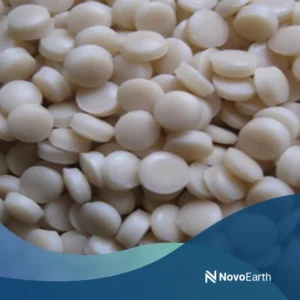
Several biodegradable polymers are currently being developed and used as replacements for traditional plastic films.
PLA is one of the most widely used biodegradable polymers derived from renewable resources, such as:
Advantages
PHA is a family of biodegradable polymers produced by microbial fermentation.
Key benefits
Starch blends are another class of biodegradable polymers used for film production. ThermoPlastic starch is often blended with different types of biodegradable polymers to make these blends.
These films are typically made from:
They degrade quickly under composting conditions.
Cellulose, derived from plant fibers, is also used to create sustainable films.
Advantages include:
Traditional plastic films fragment into microplastics smaller than 5 mm, which contaminate soil, water, and even human food chains.
Biodegradable polymers, on the other hand, break down into natural elements through microbial activity.
According to environmental studies, replacing conventional plastics with biodegradable polymers could reduce plastic waste leakage by up to 30–40% in certain applications.
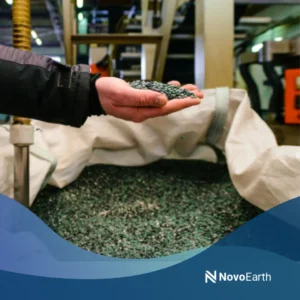
At NovoEarth, the focus is on developing advanced biodegradable polymers designed to address some of the most complex plastic waste challenges.
NovoEarth works on:
By combining material science, engineering, and sustainability, NovoEarth is helping industries transition toward responsible polymer use.
Many sectors are adopting biodegradable polymers to replace conventional plastic films.
|
Industry |
Application |
|
Agriculture |
Mulch films |
|
Consumer goods |
Protective wraps |
|
Industrial |
Temporary surface protection films |
|
Healthcare |
Disposable medical films |
As regulations tighten globally, the demand for biodegradable polymers continues to rise.
Despite their advantages, biodegradable polymers still face some limitations.
However, ongoing innovation is rapidly improving the performance and scalability of biodegradable polymers.
The global push for sustainability is accelerating innovation in biodegradable polymers.
Industry forecasts suggest the biodegradable plastics market could exceed $20 billion by 2030.
Advancements in polymer science, waste management systems, and circular material design will make biodegradable polymers an essential part of the future plastics economy.
Biodegradable polymers are materials that decompose naturally through microbial activity into water, carbon dioxide, and biomass.
Modern biodegradable polymers can achieve similar mechanical properties depending on the formulation and application.
Not always. Some biodegradable polymers require industrial composting conditions to break down efficiently.
Yes. When properly designed and disposed of, biodegradable polymers significantly reduce long-term plastic pollution.
They can replace many applications, but certain high-performance uses may still require further material innovation.
Plastic pollution is one of the biggest environmental challenges of our time. Transitioning to biodegradable polymers is a practical step toward reducing long-term plastic waste and microplastic contamination.
At NovoEarth, we are committed to developing advanced biodegradable polymer solutions and circular material technologies that help industries move toward sustainable materials.
👉 Learn more about our innovations at: NovoEarth
Sarthak Gupta
Sarthak Gupta is a Mechanical Engineer and the founder of NovoEarth, a cleantech venture specialising in circular material innovation and sustainable polymer solutions. His expertise lies in biodegradable polymer technologies and recycling systems for multilayer plastics—complex waste streams traditionally considered non-recyclable.
With prior Research and Development experience in renewable energy and wind turbine design, Sarthak focuses on translating engineering innovation into scalable, commercially viable climate solutions.